Often, one of the last things an author considers while writing a novel is whether to publish under a pen name. While one author may dream of seeing their given name adorning the cover of their very first novel, others may find the idea of revealing their true identity to the world more than a bit intimidating.
For some, using a pen name can simply serve as a matter of convenience. Imagine for a moment that you are an established college professor who has written a Young Adult fantasy novel that has become an overnight sensation. Your novel has become so popular, in fact, that the majority of the student body has not only read it but a number of students have also gone so far as to establish a role playing club based on your story.
A more adventurous professor may delight in this. After all, their reviews on Rate My Professor have gone from deplorable to sparkling in a single day, every student on campus is dying to take their creative writing course next semester, and their chances of achieving tenure have increased exponentially.
However, for a professor who is a bit more reserved and practical, this kind of popularity can quickly become their worst nightmare. With popularity comes recognition, and with recognition comes encroachment upon time, privacy, and sanity. Suddenly, you have students you’ve never even met lining up outside your office door wanting everything from signatures and selfies to letters of recommendation that you’re in no position to give them.
Now, let’s change this scenario up a bit. What if the novel you’ve written is not a work of fantasy, but a work of erotica? The last thing you, as a college professor, would want is your students—or your colleagues—knowing that beneath your stoic, teacherly image exists the mind and imagination of Christian Grey.
Makes the idea of using a pen name seem much more enticing, huh?
The truth is that the decision of whether to use a pen name depends on the unique circumstances of the author. Factors such as profession, genre, privacy concerns, and even marketing strategy can have a profound effect on whether a writer will choose to write under a different name or not. Sometimes, even publishers will insist upon this—especially if your actual name may not help sell as many books in your chosen genre, or if you share a name with an already established author like J.K. Rowling or Stephen King (both of whom have written under pen names themselves).
“Okay. So what if I want to be personally recognized for my work, but there are good reasons why I should write under a pen name?”
Here’s the thing: writing under a pen name does NOT mean that you have to remain anonymous. It doesn’t mean that you have to avoid public appearances, shy away from book signings, wear a disguise to the supermarket, and wipe every reference to the “real you” from the internet. In fact, in the digital age it is nearly impossible to remain totally anonymous as an author—particularly where it comes to social media.
Of course, there are a number of people in the writing and publishing industries that believe you should never write under a pen name for this very reason.
New York Times best-selling author Anne R. Allen believes that while writing under a single pen name can be a sensible choice with a number of good reasons to support doing so, the internet does not lend itself well to using a pen name strictly for privacy. She writes, “The problem is there IS no privacy in the digital age. Eventually you’ll be found out. The Internet hates secrets and loves to hate people who keep them.”
Allen also feels that using a different pen name for writing in different genres is impractical: “Multiple pen names aren’t practical in the age of social media. You would have to maintain separate social media accounts and blogs for every one of your personas.”
She actually makes a good point considering that most book marketing today takes place via social media platforms and author’s websites, the maintenance of which—especially if you are an indie author—falls under your growing list of responsibilities as an author. You always want to dedicate the bulk of your time to writing your book(s), and having to spend hours updating your many Facebook pages for your many personas will diminish the amount of time you can do so.
Writing coaches Jonathan Merritt and Margaret Feinberg of Write Brilliant feel that writing under a pen name can actually work against a writer where it comes to marketing. The reason? Lack of an established identity.
On their website, they write, “In publishing, this places you at a massive disadvantage. Because without an established identity, you will have no one to champion your work who is personally invested in you. No one who knows and loves you and is motivated to spread your work by word of mouth.”
This, at least in my opinion, depends on whether you choose to write under a pen name anonymously or not. If you choose to reveal your true identity to the world, then you have the ability to enlist all the friends, family, and colleagues you know to help promote your book.
“Well, should I use a pen name or not?”
Again, the decision to write under a pseudonym is one of personal preference. A number of famous authors—past and present—have found great success by writing under a pen name.
 J.K. Rowling’s publisher suggested that she write using her initials rather than her first name in an attempt to appeal to a wider audience (a.k.a. boys AND girls—yes, a bit sexist). At first she wasn’t keen to the idea. However, she stated years later in an interview with Teen Vogue, “But now, I actually quite like having a pen name, because I feel that’s…like an identity and then in private life, I’m Jo Murray. And it feels like quite a nice separation.”
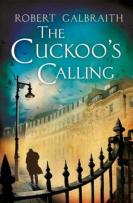
On the flip side, Rowling has also written adult fiction under the pen name Robert Galbraith—a decision that was not necessarily as lucrative until the Harry Potter author’s secret was revealed. Even then, the truth was received with mixed emotions.
Other noteworthy authors who have written under a pseudonym include: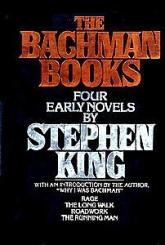
- Stanley Martin Lieber (a.k.a. Stan Lee)
- Eric Arthur Blair (a.k.a. George Orwell)
- Samuel Langhorne Clemens (a.k.a. Mark Twain)
- Mary Ann Evans (a.k.a. George Eliot)
- Gloria Jean Watkins (a.k.a. bell hooks)
- Theodore Seuss Geisel (a.k.a. Dr. Seuss)
- Judith Rumelt Lewis (a.k.a. Cassandra Clare)
- Margaret Astrid Lindholm Ogden (a.k.a. Robin Hobb)
- Daniel Handler (a.k.a. Lemony Snicket)
“I’ve decided a pen name is right for me! Now which name should I choose?”
Ah, the age-old question: What shall we name the child? Actually, naming a baby seems much easier than naming one’s “secret” writing identity. There are so many things to consider where it comes to choosing a pen name. Not only do you want to stand out among the millions of authors in the world, but you also want to make sure that you—and your editor, publisher, and even your target audience—will be happy with the name you choose.
While this is by no means a definitive list and the opinions provided are solely my own, here are a few things that many experts feel you should consider:
Which genre does your writing fall under? Obviously you’ll want to choose a name that works well with the genre you’re writing in. This is pretty subjective and (at least in my opinion) should not fall dependent upon issues of gender, race, ethnicity, etc. However, a name like Lemony Snicket—while great as the author of a children’s book—might not lend itself well to a macabre horror novel.

What age group is your target audience? Believe it or not, this actually can have an effect on whether a person will pick up your book or not. For instance, say you choose to write a literary novel under the pseudonym Chaz Devereaux. While someone in a young/new adult demographic may be drawn to the name because it sounds cool, a grandmother in her 60s may turn up her nose and clutch her pearls (yes this is a bad stereotype, but you get the idea).
Is the name you’ve chosen similar to another famous person? My sage advice: don’t choose the same name as a famous person, literary or otherwise. The laws regarding this can become a bit confusing, and authors can find themselves embroiled in a legal battle if the name is trademarked. In other words, just as you should be with your writing, BE ORIGINAL!
Is the web domain available? This relates to marketing and has become even more of a concern for authors in the digital age. For instance, when I searched my own name as a domain in my browser’s search bar as kimberlymertz.com, I found that an artist had already set up a website under that version of my name. However when I searched kimberlymaskemertz.com, a website did not exist. That said, it’s always good to check with a reliable domain name search tool such as the one offered by GoDaddy.
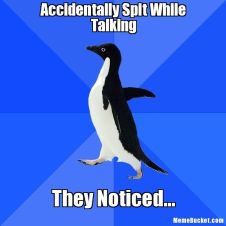 How does the name sound when you speak it out loud? As I mentioned earlier, you’ll want to choose a pen name that stands out and that people will remember—and that is easy to say. You do NOT want them to spit all over their friends (and your potential readers) trying to pronounce it. A name like Ichtchenbacher Schnizelfreuken would most definitely prove a bad choice, even if you could easily find an open domain for it.
Does the name hold personal or cultural meaning? This is a matter of preference, but it is also a matter of authenticity. Never pretend you are something you are not. If you’re a white male writing a book with an Asian female protagonist, don’t try to lure in your audience by taking on an Asian pen name. This is particularly shady if you also choose to keep your true identity a secret. If you try to trick your audience into thinking you are someone you are not, you run the very real risk of alienating that same audience when they learn the truth (remember, the internet does not easily allow for secret identities).
That said, I feel that it is perfectly acceptable to tap into your own heritage or family history if you choose to do so. A pen name that I plan to use for a story I’m writing based on Irish-Celtic mythology honors my Irish heritage as well as my maternal grandmother.
Does the first letter of the last name fall at the beginning or end of the alphabet? This may or may not seem that important if you choose to self-publish strictly in e-book format. However if you dream of seeing your first hardcover on a bookstore shelf, this might become a bit of a concern. Full disclosure: I never even considered this until I read about it a few nights ago.
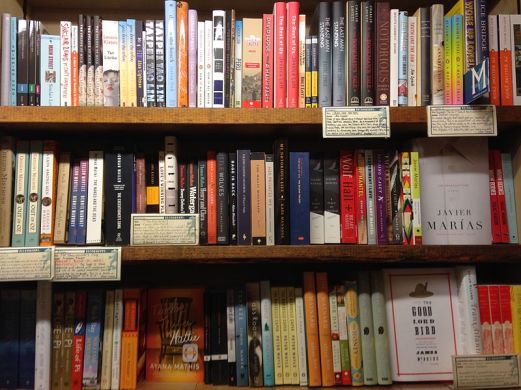
Take a trip down to your local Barnes & Noble and look at the shelves in your chosen genre (or any, for that matter). Just like in your local library, bookstores organize their stacks alphabetically by authors’ last names. If your last name begins with “A” then you’ll most likely find your book on the top shelf, right at eye-level. However, if your last name begins with a “Z” you might find your book collecting dust on the bottom of the very last shelf in your section.
Now, this isn’t an exact science. And if you’ve written a book that could give Harry Potter some hefty competition, you may not need to worry about this at all. However, product placement is definitely something to consider if you want to capitalize on exposure.
As I’ve said numerous times throughout this post, the decision as to whether you should write under a pen name is strictly up to you. It’s not illegal to publish under a pseudonym, and many great writers throughout history have done so for a variety of reasons. Maybe you’re perfectly content with your given name, or maybe you’ve always wished your parents had given more thought to your future career path before settling on Ichtchenbacher Schnizelfreuken.
Whatever the reason, you should be 100% comfortable with and confident about the name that will grace the cover of your future best-seller. To me, that’s really all that matters.
Name Research and Generators
Legal Concerns
How to Express Copyright When You Use a Pen Name
To Be or Not To Be: Legal Considerations for the Use of Pseudonyms for Writers
Further Reading
“A Rose by Any Other Name: Pros and Cons of Pseudonyms”
“How to Choose and Set Up a Pen Name”
“Pen Names: What You Need to Know About Using a Pseudonym”
“Pseudonyms: 10 Questions to Ask Before Choosing a Pen Name”
 Aristeia